Who I Am.
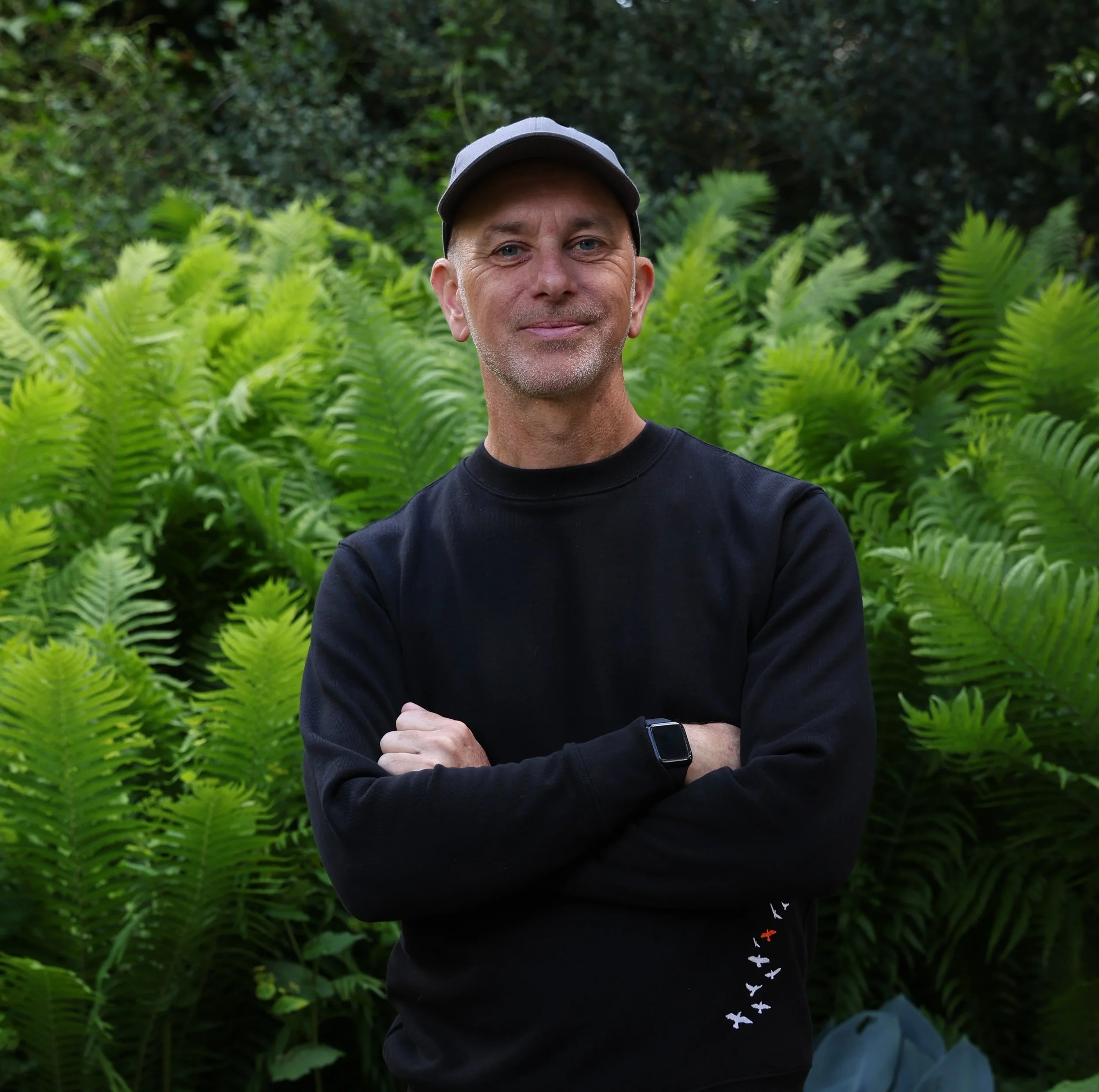
For most of my adult life, I was a high achiever driven by forces I didn't understand.
From the outside, life looked coherent. I was always building, pursuing and achieving. Inside, a different experience was unfolding— one driven by a fear of not being enough, a need for approval that never quite lasted, and the belief that the next milestone would finally make everything feel settled.
It never did.
I was self-aware enough to know something wasn't right, but not yet able to see what was actually organising my behaviour beneath the surface.
I still remember being seven years old and writing a handwritten list called Things I Need to Work On in Myself. Even then, some part of me knew the real work was internal. It took another twenty years to understand what that actually meant.
Like many people, I began with the obvious answers. I read, studied, optimised and worked harder. For a while it helped, but it never touched the source of what was driving me.
So I kept looking.
Over the past twenty years I've studied psychology, psychotherapy (PG Dip), philosophy, neuroscience, embodied cognition, existential coaching, breathwork and human behaviour—not to collect qualifications, but to answer a question that never stopped following me:
Why do intelligent, capable people keep repeating patterns they can clearly see, but can't seem to change?
Every discipline pointed towards the same conclusion. The answer isn't found at the level of behaviour. It's found beneath it.
If something in this story feels familiar, the gap between what you've built and how you actually experience it, the patterns that refuse to shift despite your best efforts, or the sense that the next level requires something you haven't quite found yet, that recognition is worth paying attention to.
Because it's the same pattern I see in almost every founder I work with. You can keep looking for answers outside yourself. Or you can begin with the place your leadership actually comes from.
“… [Sal] helped me to focus on what truly matters from a business perspective and to identify and address the areas that were holding me back”
~ Steve, CEO & Entrepreneur
What I've Come to Believe.

Everything I do rests on a simple proposition, behaviour is a consequence of Being.
Behaviour isn't the root of the system. It's the visible expression of something deeper: identity, fear, learned patterns and ways of operating that were formed long before you built your first business.
Most leadership development focuses on behaviour, better habits, stronger systems, clearer communication and more effective execution. Those things matter, and by the time people find me they've usually done most of them.
The limitation appears when intelligent, capable leaders keep repeating the same patterns despite knowing exactly what they should do. The founder who can't stop overworking. The CEO whose decisions carry more weight than they should. The leader who keeps reaching the same ceiling despite years of growth.
This is where conventional coaching reaches its edge.
The work I do begins beneath behaviour, with the internal structures shaping how you think, decide, lead and experience yourself. As those structures become visible and begin to integrate, behaviour changes naturally, not because you've become more disciplined, but because the thing generating the pattern has started to dissolve.
The work is fundamentally subtractive.
Like Michelangelo carving David from a block of marble, the task isn't to add something new, but to remove what no longer belongs.
How I work.
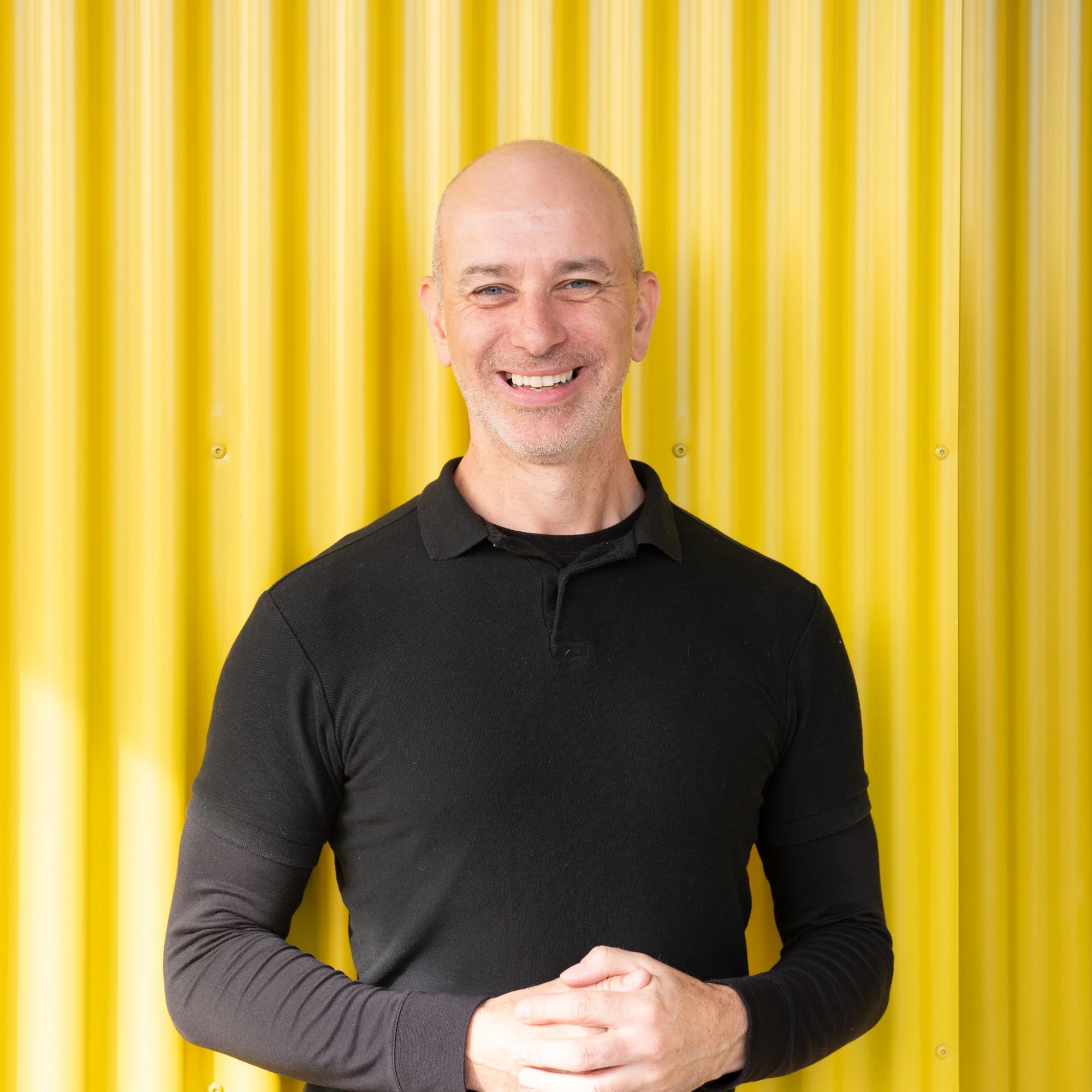
The framework I have created is called Founding Self.
It starts with who you’re being, not strategy, goals or performance metrics, but who you are being in the moment you lead, decide and respond. From there we explore four connected dimensions: Vision, Purpose, Brilliance and Strategy.
We always begin at the centre. Because when the centre becomes clear, everything built around it becomes clearer too. Two capacities run through all of this work.
The first is metacognition, the ability to observe your own thinking before it begins running your life. Most founders are highly intelligent. Far fewer have developed the capacity to consistently step outside their thinking and see it clearly. In an increasingly complex world, that capacity has become a genuine advantage.
The second is the ability to hold paradox: ambition and peace, drive and rest, conviction and uncertainty. The founders who develop this capacity stop feeling they have to choose between competing truths. They lead from a position that is wider, steadier and ultimately freer.
Neither of these is a personality trait and both can be developed.
And in my experience, they are what most consistently distinguish founders who feel genuinely free in their leadership from those who remain quietly constrained by it.
“… [Sal] helped me to focus on what truly matters from a business perspective and to identify and address the areas that were holding me back”
~ Steve, CEO & Entrepreneur
Here’s what to do next
1. Clarity Conversation
Let’s start with a informal conversation to understand where you are now, where you want to be, and what is in the way. At this stage, it’s a relaxed way to get to know each other and see how you feel.
A complimentary call is the best way for you to experience me and how I work without commitment. Coaching is something which needs to be directly experienced.
2. Vision & Strategy Session

3. Founder Coaching
